We want more people in Oxford working to mitigate catastrophic biological risk. Join our community.
Biosecurity and why it matters
Biosecurity work protects society from biological threats. Advances in biotechnology and AI raise the risk of catastrophic or existential biological harms. We focus on mitigating these risks.
As many AI tools for biology were released in 2023–24 as in the previous four years combined. 44% of the most advanced are fully open-source, with no sign that higher-risk tools are harder to access.
After signing the Biological Weapons Convention, the Soviet Union ran a secret bioweapons programme for two decades, employing at least 50,000 people at its height.
Who we are
The Oxford Biosecurity Hub brings Oxford’s biosecurity community together to mitigate catastrophic biological risks: fostering collaboration, accelerating impactful careers, and introducing people to the field.
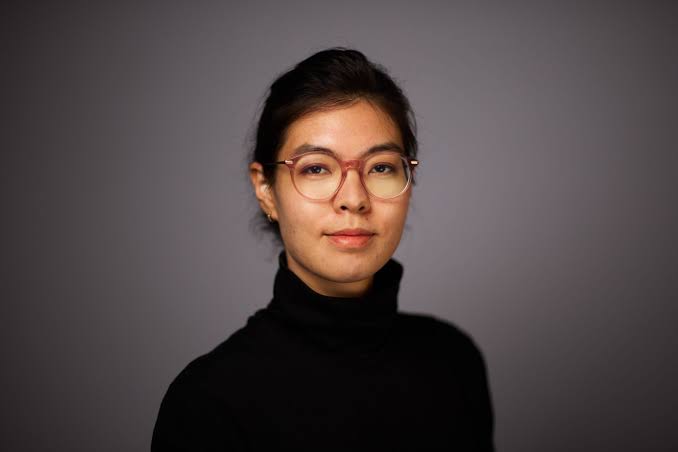
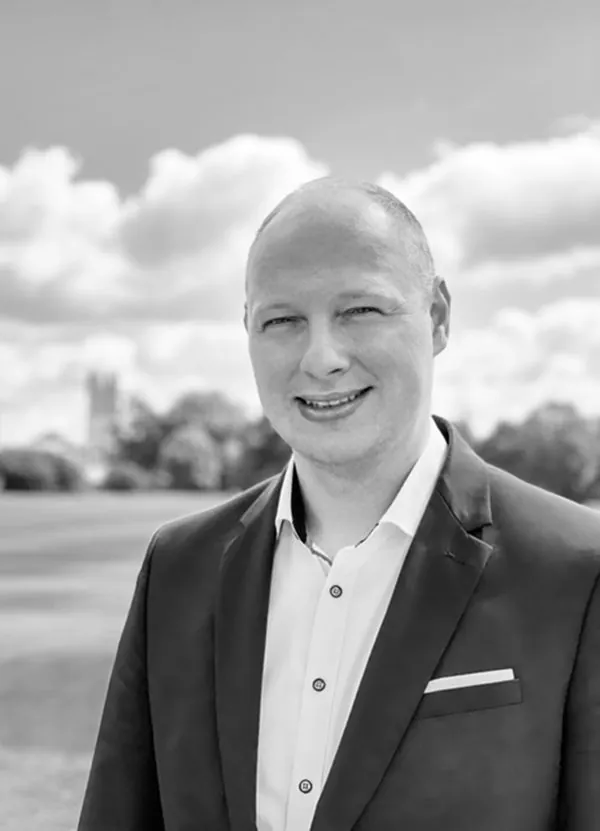
John Helferich, Co-founder
Lecturer in Politics at Hertford College, Oxford, and researcher with the Oxford Global Security Programme, working on European security and international order. DPhil in International Relations from the University of Oxford.

Manuel Gannon, Student Lead
DPhil researcher at the Oxford Vaccine Group and Pandemic Sciences Institute, developing next-generation vaccines against high-consequence emerging pathogens to strengthen pandemic preparedness and biosecurity. Pharmacist with experience in translational vaccinology and frontline public health, interested in bridging scientific innovation, outbreak preparedness and real-world health security.
Get involved
Interested in biosecurity in Oxford? Sign up for updates on our launch, events, and opportunities.
Events
Join our Winter Social on 19 November, from 6.30pm at The Kings Arms, Broad Street, Oxford.
Programmes
A beginner fellowship and an advanced focused discussion group. Apply by 14 October.
1:1 career conversations
If you’re unsure how you could contribute to biosecurity, sign up to see how we can help.